

Integration after Intensity
Psychosynthesis therapy for inner conflict, burnout, and “outer success with inner emptiness”
When insight isn’t enough and something deeper needs to be lived
You may have built a life that works on the outside — a career, stability, responsibility — yet feel divided, restless, or quietly disconnected on the inside. Or you may be navigating a period of intensity: burnout, loss of meaning, inner conflict, or the aftermath of a powerful psychological, spiritual, or life experience. These experiences are sometimes described as anxiety, low mood, or chronic stress — but often they reflect deeper inner conflict, misalignment, or unintegrated experience.
I offer depth-oriented psychosynthesis therapy for people who sense that something important is trying to reorganise — and want support to integrate it, rather than override it. This work often begins where insight alone no longer helps — when understanding doesn’t yet translate into how you live, choose, or relate.

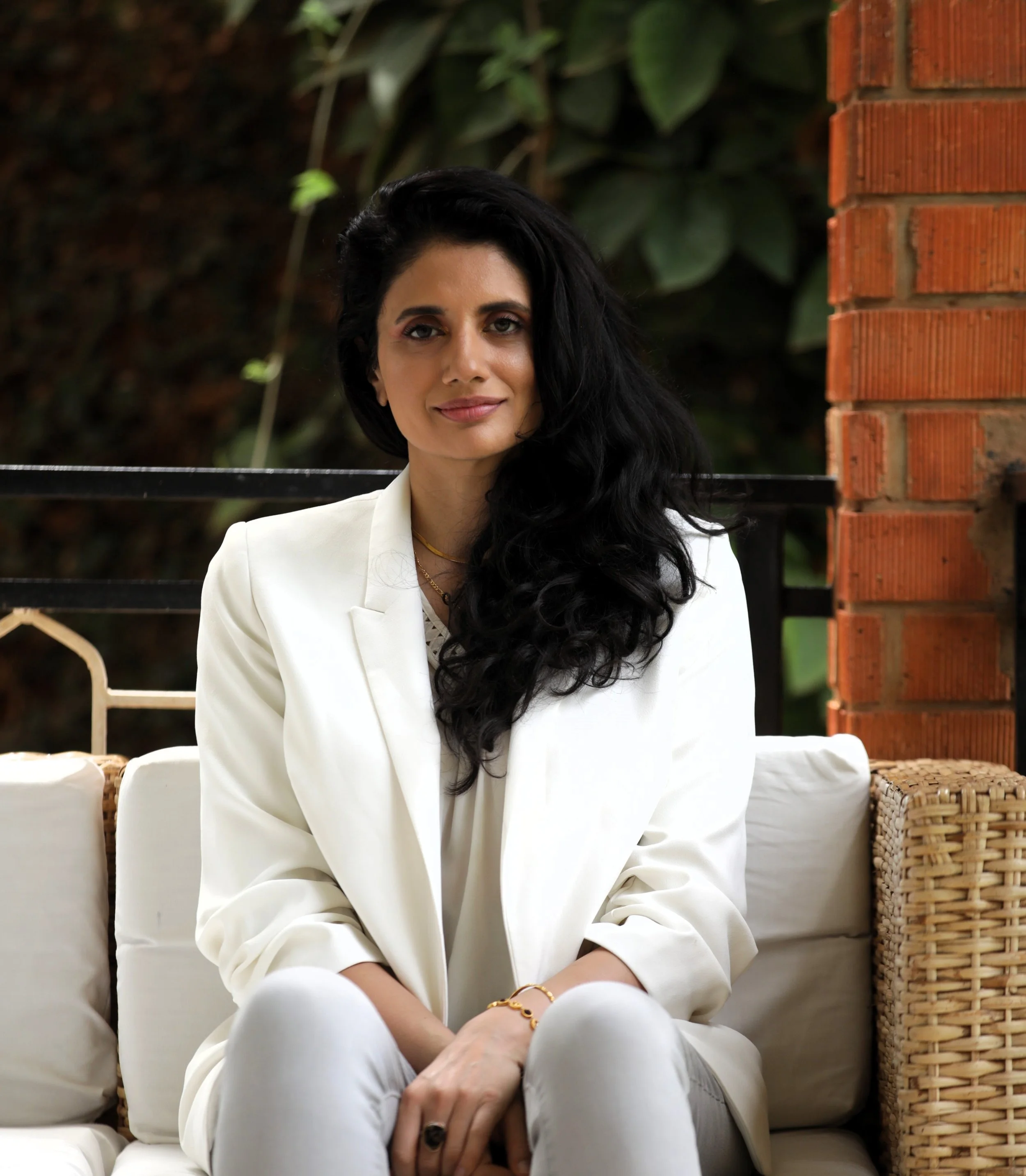
My areas of specialism
I specialise in psychosynthesis therapy for high-functioning individuals experiencing inner conflict, burnout, or a loss of meaning — often despite outward success. Many of my clients live with a harsh inner critic, imposter syndrome, unmet inner child needs, identity splits, or a persistent sense of being “successful but empty.” This work often begins where insight alone no longer helps — when understanding doesn’t yet translate into how you live, choose, or relate.
I also work extensively with integration after intense experiences — including psychological, spiritual, psychedelic, emotional, or existential crises — supporting the development of self-leadership, agency, and alignment with deeper values.
→ Read more about who I work with
You may recognise yourself here
You feel outwardly capable, yet inwardly divided or empty
Success or competence hasn’t brought the satisfaction you expected
Burnout persists even when you rest or slow down
A strong inner critic or sense of impostorhood runs in the background
You struggle to speak up, stay open, or express your authentic voice
You’re navigating a career, identity, or life transition
You’re integrating a powerful psychological, spiritual, or existential experience
You feel lonely, overly self-reliant, or disconnected despite independence
Experience anxiety, low mood, or chronic stress that doesn’t resolve through rest, insight, or success alone
For many people, these experiences aren’t signs that something is “wrong,” but indications that one part of the psyche has carried life forward for a long time — and that integration, not optimisation, is now needed.
→ Read more about integration after intensity
How I work
Our work focuses not only on insight, but on how inner change translates into daily life — relationships, boundaries, work, and conscious choice — so you are less driven by inner conflict and more guided by your values and Will.
Rather than accelerating insight or resolution, we work at the pace at which change can be embodied, integrated, and sustained. I work relationally and in real time, attending closely to bodily responses, moments of tightening or withdrawal, and places where something in you is ready to come back online. Much of the work happens beneath words, at a pace that allows change to be lived — rather than rushed.
This work relies on relational presence, ethical responsibility, and embodied attunement — and cannot be automated or rushed. Some inner experiences need to be slowed, carefully held, and metabolised over time — not interpreted or pushed forward prematurely.
→ Read more about how I work
Grounded in depth and responsibility
Psychosynthesis is a depth psychological approach that understands the psyche as multiple, dynamic, and oriented toward meaning. Rather than trying to eliminate parts of ourselves, the work supports a different relationship to them — one that fosters inner coherence instead of inner conflict.
Central to this approach is the Will: not as force or control, but as the quiet capacity to choose with awareness — even in the presence of fear, ambivalence, or uncertainty. Over time, this supports a shift from part-led coping toward Self-led living.
As a first-generation British Asian woman, I’m attuned to the psychological tensions that can arise between cultural expectations, family loyalty, autonomy, and voice. This sensitivity often resonates with clients from Asian, South Asian, and other collectivist or migrant backgrounds — while my work remains open to anyone navigating complexity, identity, and change.
If this resonates, you’re welcome to get in touch for an initial conversation.