

About
A paced, relational approach to depth work
I work with people at moments when insight alone no longer helps, when something meaningful has been touched, but hasn’t yet found its place in everyday life. My approach is grounded, relational, and paced, with careful attention to what can be lived, not just understood.
Rather than rushing toward clarity or resolution, I work at the pace at which change can be integrated sustainably. This often means slowing things down, staying with uncertainty, and allowing experience to reorganise over time: in the body, in relationships, and in choice.
I hold a strong ethical stance around containment and responsibility, particularly when working with vulnerability or intensity. The therapeutic space is steady, non-performative, and responsive — a place where complexity can be met without being pushed or bypassed.
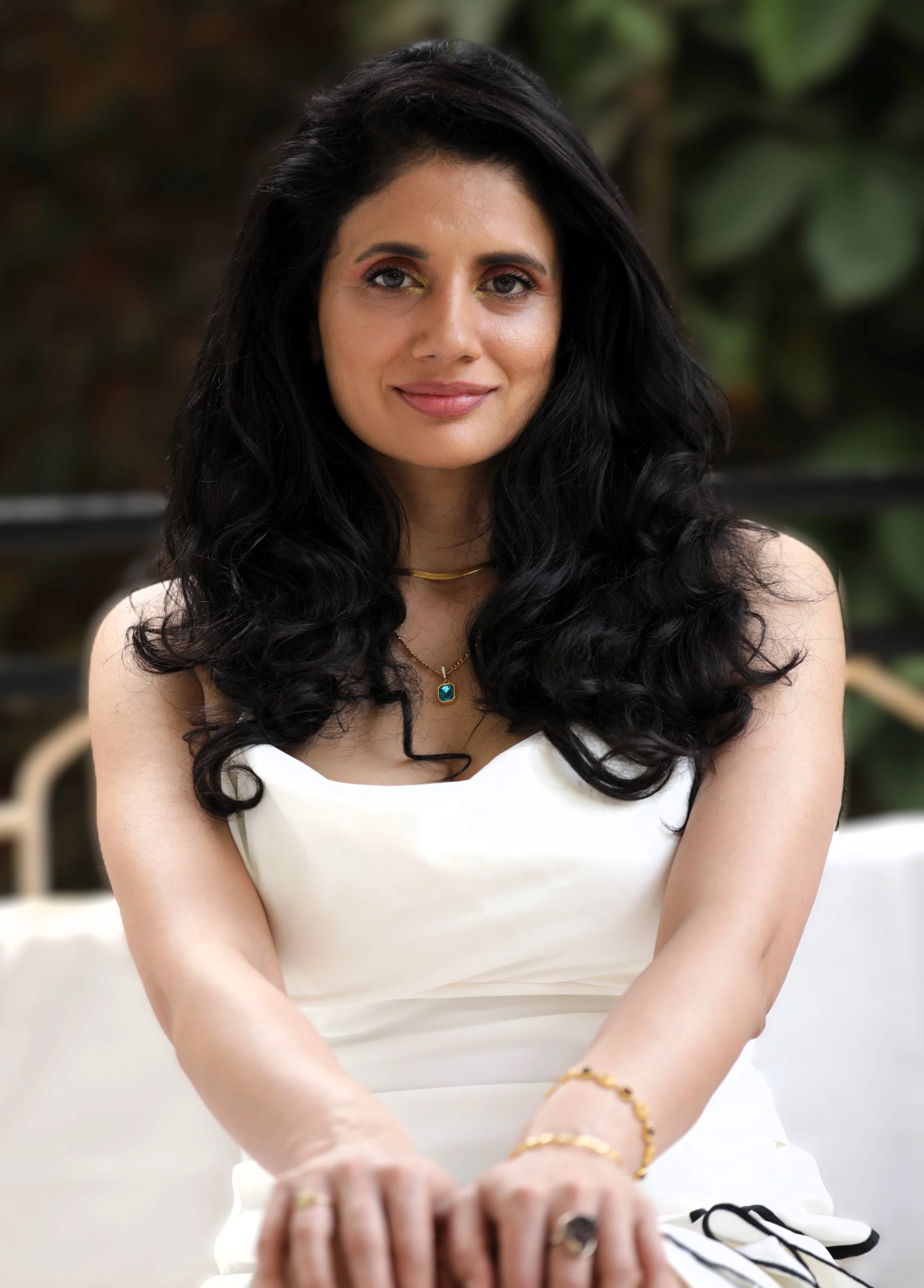

Context, lineage, and discernment
My therapeutic work is shaped by sustained engagement with complexity: psychological, cultural, and relational, over many years.
Before training as a therapist, I worked in high-functioning professional environments. I originally trained as a chemical engineer at the University of Cambridge, before spending over a decade in financial services and later founding and leading an international education charity focused on education and empowerment for young women in East Africa. This work involved long-term responsibility, ethical decision-making, and close engagement with systems shaped by inequality, culture and power. It also required learning when to act, when to listen and when not to intervene.
Alongside this, my own background has informed a sensitivity to inner conflict shaped by cultural expectation, responsibility, and adaptation. Experiences of being “between worlds”, personally and professionally, have sharpened my attention to how identity splits form, how inner authority can be compromised and how voice and choice are often constrained long before they are consciously recognised.
My therapeutic orientation draws on depth psychology and contemplative traditions, including Psychosynthesis psychology, Buddhist-informed practice, and long-term engagement with reflective and meditative disciplines. I approach these frameworks not as belief systems, but as ways of understanding how consciousness develops, destabilises and gradually integrates over time.
My academic work includes an award-winning master’s thesis exploring Psychosynthesis as a framework for integrating challenging psychedelic experiences. Psychedelic experiences are understood within this wider context: meaningful for some, at certain moments, but never a substitute for ongoing integration, relational work and ethical discernment. My work also draws on interdisciplinary dialogue at the intersection of psychology, spirituality and science, including my role as a Shapely-Booth Scholar with the Institute on Religion in an Age of Science, where I presented research on Psychosynthesis in the context of integrating mystical experiences.
Psychosynthesis now forms the core of my clinical work, particularly its emphasis on integration, Self-leadership, and the development of the Will. Therapy, as I understand it, is not about fixing what is broken, but about creating the conditions in which constrained parts of the psyche can reorganise so that life can be lived with greater responsibility, coherence, and choice.
Alongside my therapeutic work, I’ve spent many years working within complex social and public contexts:





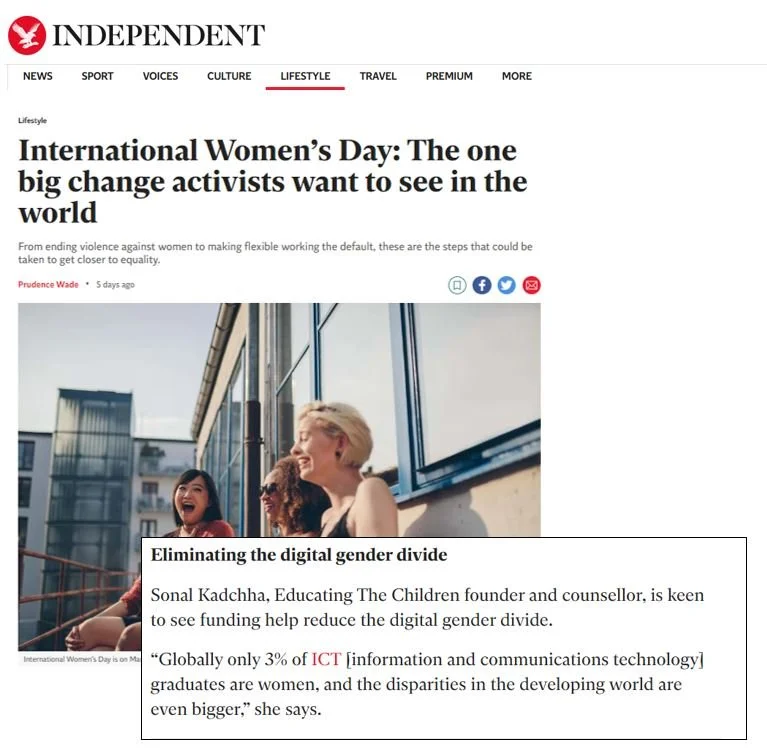
This piece was originally written in 2023 and published by The Independent, reflecting my engagement at the time with gender, systems, and inner psychological change:

I also write and speak about what I call the “Inner Architecture of Slow Impact”: the principle that sustainable outer change reflects the psychological and structural maturity of the individuals and systems creating it. This framework has emerged from the integration of engineering, financial systems design, long-term social impact work in East Africa, and depth psychology.
Read About → Inner Architecture of Slow Impact
Qualifications & Professional Registration
MA Psychosynthesis Psychology (Distinction)
Institute of Psychosynthesis (in affiliation with Middlesex University)Diploma in Counselling (Level 4)
Institute of PsychosynthesisPostgraduate Diploma in Psychotherapy (in progress)
Institute of Psychosynthesis (UKCP-accredited)Registered Member, British Association for Counselling and Psychotherapy (BACP)
Practising in accordance with the BACP Code of EthicsFoundations of Jungian Analytical Psychology
Society of Analytical PsychologyBereavement Support (Level 2)
Cruse Bereavement SupportMEng, BEng (First Class Honours), Chemical Engineering
Queens’ College, University of Cambridge